The first organized library
At Nineveh, King Ashurbanipal assembled the oldest known systematically organized library — tens of thousands of clay tablets, sorted by subject, gathered to hold all knowledge in one place.
One of the oldest peoples on earth — older than Rome, older than Athens — still speaking a living tongue, still keeping its name. This is the story of how. Scroll to fall back through time.
On the plains of upper Mesopotamia — the land between the Tigris and the Euphrates — the Assyrians built cities while much of the world was still myth. Their roots in this region reach back roughly four and a half thousand years.
Theirs was a civilization of writing, of law, of monumental stone — a people who carved their memory into the earth so deeply that it is still being unearthed today.
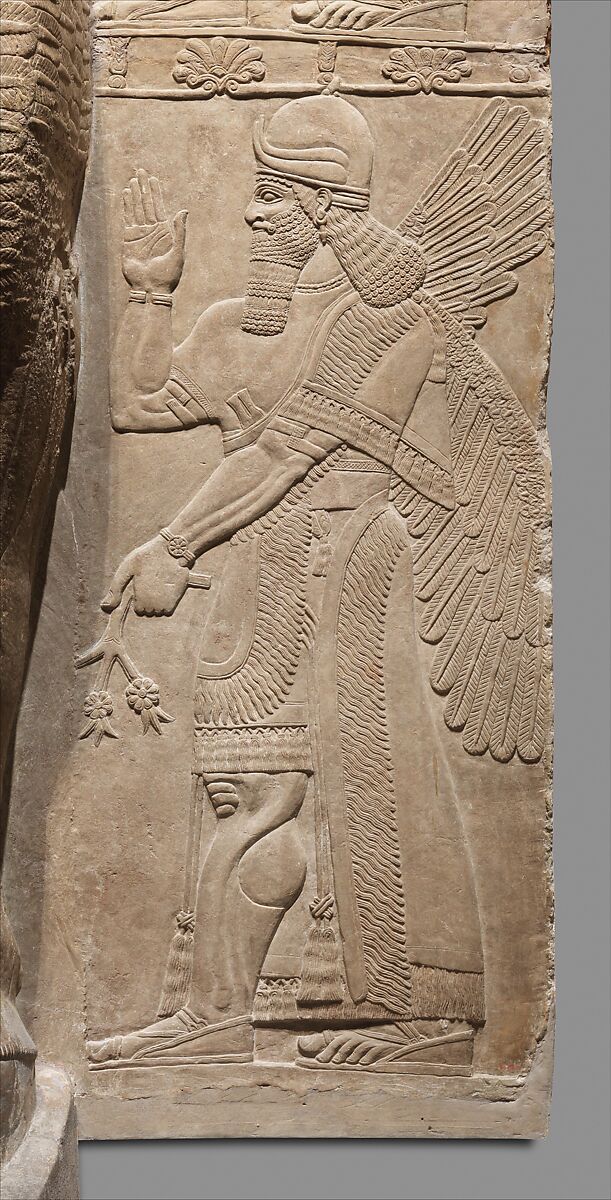
At its height the Assyrian Empire was among the largest the ancient world had seen. Its capital, Nineveh, held a library of tens of thousands of clay tablets — one of the earliest organized collections of human knowledge ever assembled.
Even when the empire fell, the people did not vanish with it. The kingdom ended; the nation continued.
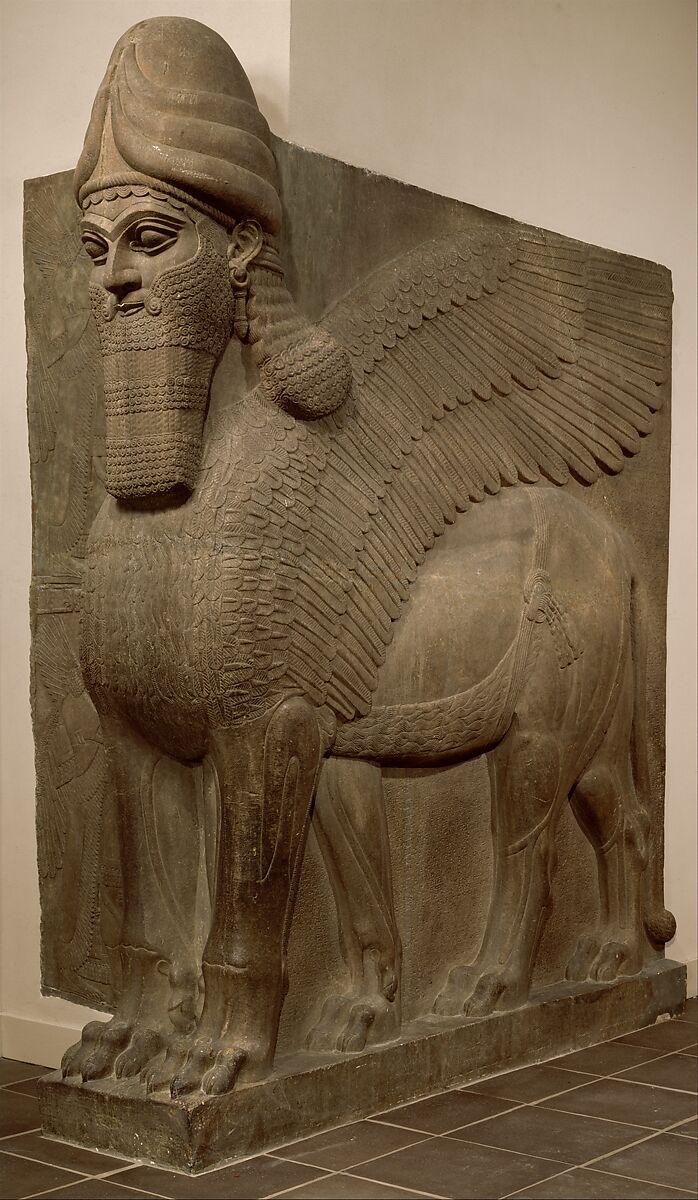
Long before Greece or Rome, the people of Mesopotamia — the world the Assyrians built, inherited, and carried forward — set down some of humanity’s first writing, laws, and sciences. Much of it survives because Assyrian hands recorded it and kept it.
At Nineveh, King Ashurbanipal assembled the oldest known systematically organized library — tens of thousands of clay tablets, sorted by subject, gathered to hold all knowledge in one place.
To carry water some 50 km to Nineveh, King Sennacherib built a vast canal network and the stone aqueduct at Jerwan — often called the world’s oldest, predating Rome’s by five centuries.
The Middle Assyrian Laws, set down over 3,000 years ago, are among the earliest written legal codes — part of the Mesopotamian tradition that first put justice into written rules.
Mesopotamian astronomers charted the heavens and counted in base-60 — the reason an hour still has 60 minutes and a circle 360 degrees. Their sky-watching tablets were preserved at Nineveh.
Mesopotamian healers recorded symptoms, remedies, and one of the first systematic diagnostic handbooks — medical knowledge copied and kept among the Nineveh tablets.
The Epic of Gilgamesh, among the oldest surviving works of literature, reaches us today because it was written down and preserved on Assyrian tablets.
Some of these belong to the wider Mesopotamian world — Sumer, Akkad, Babylon, Assyria. They endure in large part because Assyria wrote them down and kept them.
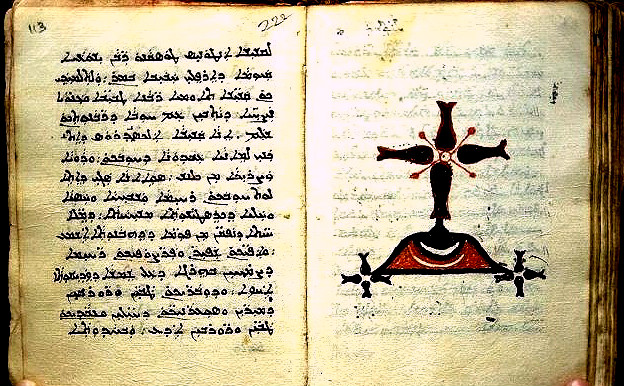
The Assyrians were among the earliest peoples to embrace Christianity, and for centuries they carried it east across Asia — into Persia, India, and as far as China. But their language was never only a language of faith. They call it Suret (also written Sureth): a living descendant of Aramaic, once spoken far beyond its Mesopotamian heartland — a common tongue across the ancient world, from Egypt to Persia. Woven into it are traces of Akkadian, the language of ancient Assyria and Babylon.
Empires rose and fell around them — Persian, Roman, Arab, Mongol, Ottoman. Through each, the language endured: in prayer and in song, but above all in the home — passed from parents to children as the everyday speech of a people, not the property of any one creed.
And then came the long century that tried to end them.
In 1843, in the mountains of Hakkari, Kurdish forces under Bedr Khan Beg — sanctioned by Ottoman officials — swept through Assyrian villages with fire and sword. Women and children were enslaved, churches blown apart with gunpowder, and an ancient patriarchal library burnt. It was the first of the modern campaigns to end a people who had lived almost autonomously in those mountains for thousands of years.
“The houses of the wretched inhabitants were fired, and they themselves hunted down like wild beasts and exterminated. Neither sex nor age met with favour or mercy.”
— The Times, London — September 6, 1843
During the First World War, the Ottoman Turks and allied Kurdish tribes subjected the Assyrian Christian population to a systematic campaign of massacre, deportation, abduction, and starvation — alongside the Armenian and Greek genocides. Villages were emptied. Survivors fled on foot across mountains into an exile that for many never ended. In 2007, the International Association of Genocide Scholars formally recognized these atrocities as genocide.
“The entire Christian nations of the Armenians and the Assyrians are undergoing the process of extermination.”
— Abraham Yohannan, Department of Oriental Languages, Columbia University — 1916
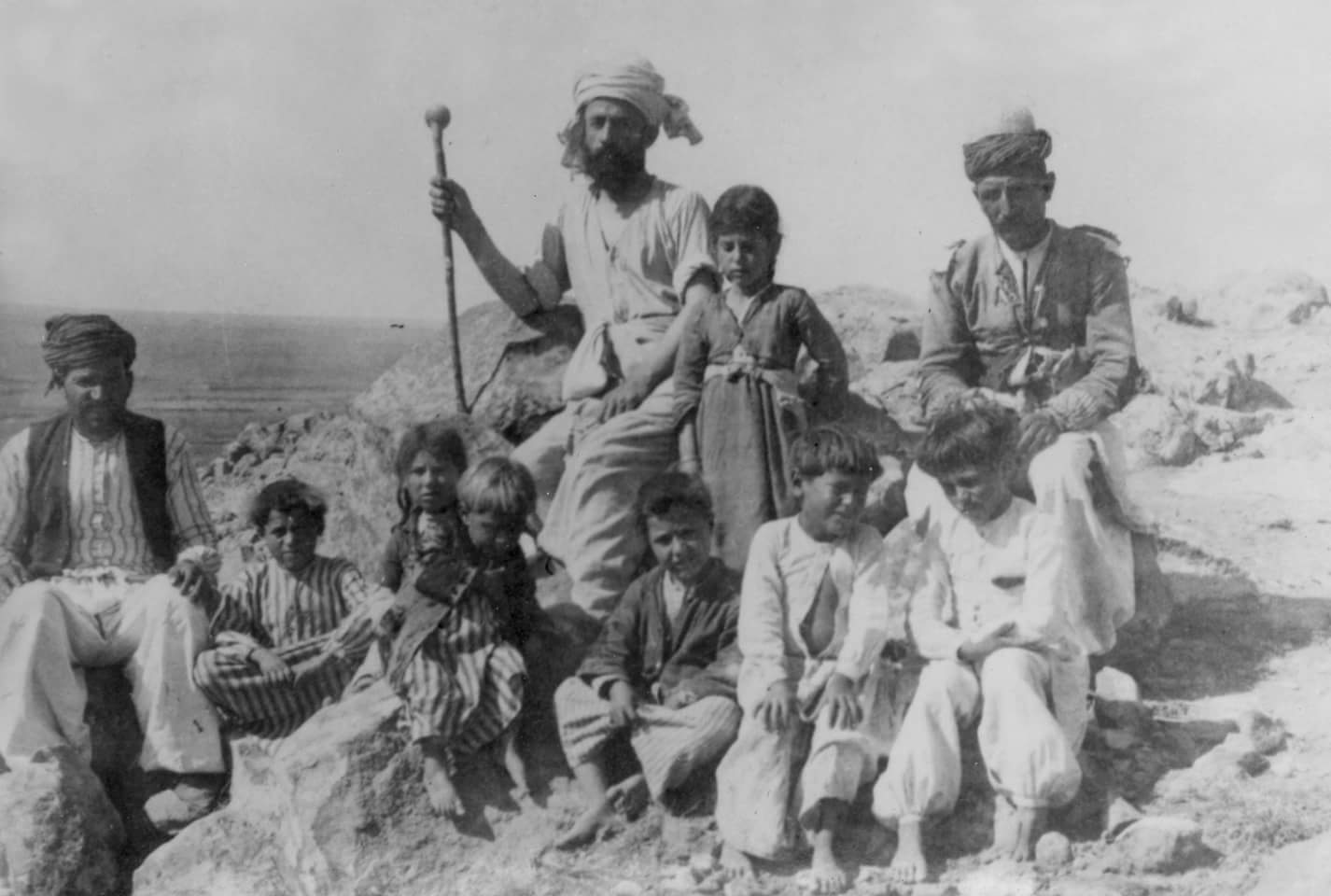
Barely a generation after Sayfo, the newly independent Iraqi state turned on the Assyrians who had resettled there. Iraqi troops and Kurdish irregulars, under General Bakr Sidqi, were given permission to eliminate "any and all Assyrians." Inhabitants of 65 villages were massacred, the worst at Simele itself. The horror was so stark it helped move a young jurist, Raphael Lemkin, toward a word the world did not yet have: genocide. Today the mass grave sits unprotected on a hill marked only "Simmel Archaeological Hill" — victims’ bones still scattered across the surface, the site treated as a waste yard.
“I saw and heard many horrible things in the Great War, but what I saw in Simele is beyond human imagination.”
— Secret report of a British eyewitness in the service of the Iraqi Government — 1933
On the morning of September 16, 1969, Iraqi forces under Lieutenant Abdul Karim al-Jahayshee attacked the Assyrian village of Soriya in Dohuk. Forty-seven villagers — including the local priest — were killed; twenty-two more wounded. Houses were burned. The Iraqi government has never recognized the massacre, and very little research on it exists.
“I was ten years old and I fell on the ground. A woman fell over me and her blood covered me. Other children, too, were covered in blood and thought dead.”
— Noah Yonan, survivor of the massacre at Soriya
A century after Sayfo, extremist forces swept the Nineveh Plains — the Assyrian heartland — driving tens of thousands of Christians from homes their families had held for millennia, and deliberately destroying ancient heritage at sites like Nimrud and Nineveh.
It was meant to be an erasure. It was not the first attempt. It was not the last word.
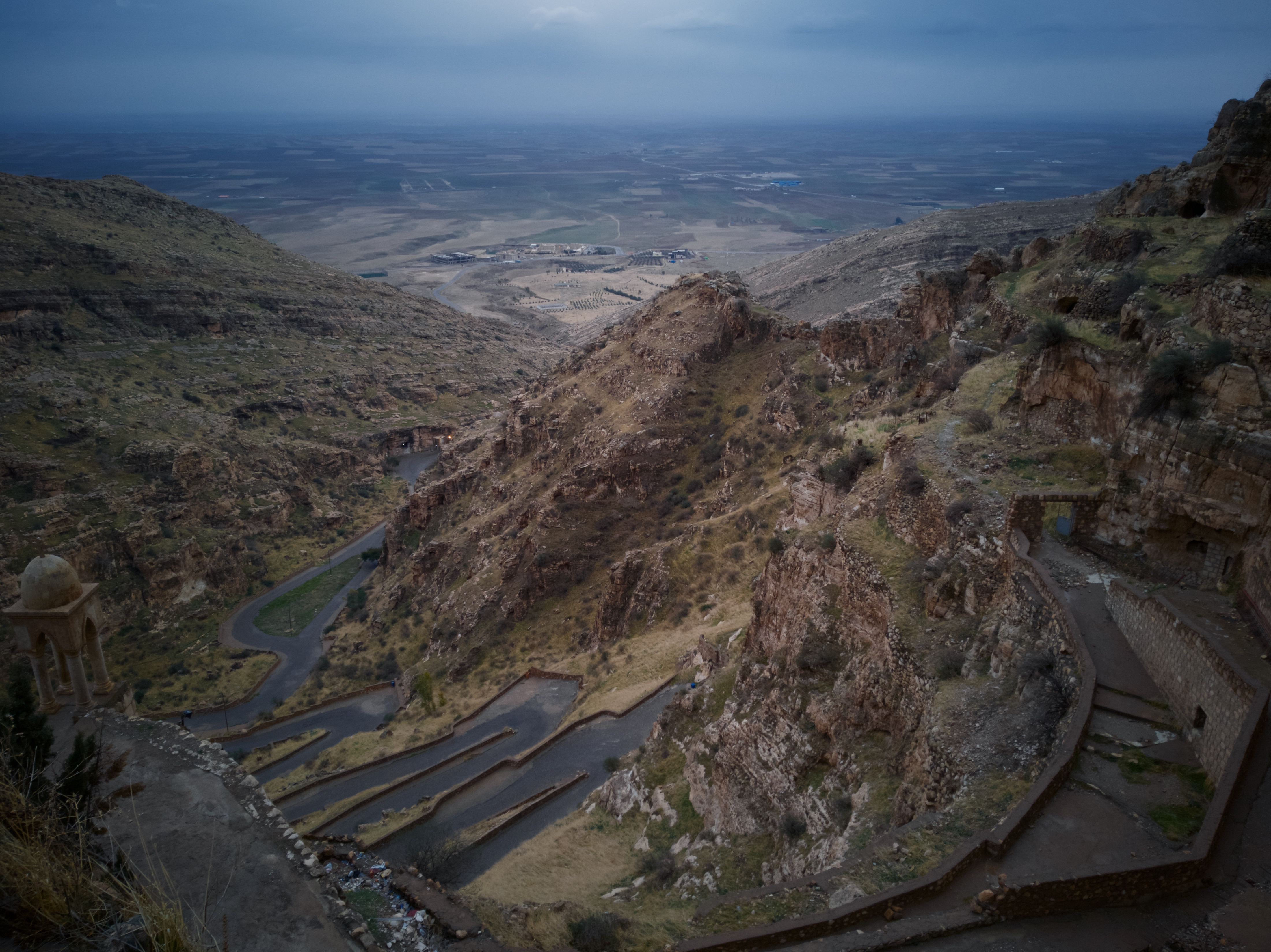
From the homeland to a diaspora that now spans the world, the language still lives, the name is still kept, and the story is still being written — by the people who refused to be a footnote.
Read the full history →